How I Quietly Transformed My Health by Changing My Environment
What if the key to better health isn’t another supplement or workout trend, but the space around you? For years, I struggled with low energy and frequent discomfort—until I realized my environment was working against me. Over time, small, consistent changes to my air, light, and daily rhythms made a noticeable difference. This is how I started monitoring my health through the lens of my surroundings—and why it might be the most sustainable shift you’ll ever make.
The Wake-Up Call: When My Body Started Sending Signals
For nearly a decade, I accepted fatigue as part of adult life. Mornings began with a heavy head, afternoons were marked by sluggishness, and nights brought restless sleep. I tried everything—cutting sugar, drinking more water, even switching to herbal teas—yet nothing seemed to stick. The real turning point came not from a doctor’s visit or a viral wellness trend, but from a simple experiment: I began tracking how I felt each day in a small notebook. I didn’t look for dramatic patterns at first—just honesty. I rated my energy from one to ten, noted when I felt foggy or irritable, and recorded the quality of my sleep. After three weeks, a pattern emerged. On days when I stayed indoors all day, especially in stuffy or dimly lit spaces, my energy scores dropped below four. On days when I spent time outside, opened windows at home, or rearranged my workspace for better airflow, my average rose to six or seven. That was the moment I began to question the invisible forces shaping my well-being. My apartment, once a sanctuary, now felt like a contributor to my exhaustion. The walls hadn’t changed—but my awareness had. I started to see my home not just as a place to live, but as a system that either supported or undermined my health. This realization didn’t come with urgency or fear, but with quiet curiosity. If my environment could make me feel worse, could it also be the key to feeling better?
The symptoms I had dismissed—brain fog, low motivation, frequent headaches—were not random. They were signals, not of weakness, but of imbalance. I began reading about environmental health, a field often overlooked in mainstream wellness. Studies from institutions like the Harvard T.H. Chan School of Public Health highlighted how indoor environments influence cognitive function, mood, and long-term physical health. One report found that people in well-ventilated rooms with natural light scored 61% higher on cognitive tests than those in conventional office settings. That number stayed with me. It wasn’t just about comfort—it was about capability. I realized I wasn’t failing to manage my energy; I was fighting against conditions that made energy conservation the body’s default mode. My journey wasn’t about fixing myself, but about aligning my surroundings with my body’s natural needs. The first step wasn’t a drastic change, but a shift in perspective: health isn’t only what you eat or how much you move—it’s also where you spend your time.
Air Quality: The Invisible Force Affecting How You Feel
Of all the environmental factors, air quality was the most surprising. I had always associated clean air with outdoor spaces—parks, mountains, seaside towns—but I rarely considered the air inside my home. I assumed that as long as I didn’t smell anything unusual, the air must be fine. That assumption changed when I borrowed an air quality monitor from a friend. The device measured carbon dioxide (CO₂), volatile organic compounds (VOCs), and particulate matter. The first reading, taken in my bedroom in the morning, showed CO₂ levels at 1,200 parts per million (ppm)—well above the 800 ppm threshold where cognitive performance begins to decline. I was shocked. I had been sleeping in air that, according to research, could impair focus and decision-making as much as mild sleep deprivation. The culprit? Poor ventilation. My apartment had few operable windows, and I often kept them closed to maintain temperature. Over time, exhaled breath, off-gassing from furniture, and cooking fumes had accumulated without a way to escape.
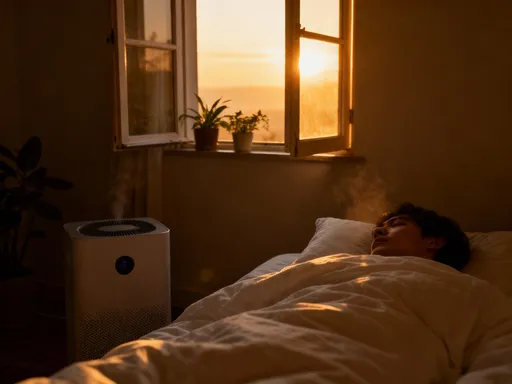
Instead of panic, I chose small, sustainable actions. My first step was simple: open one window for at least ten minutes every morning and evening. I started doing this even in colder months, braving brief drafts to allow fresh air exchange. Within a week, I noticed I woke up with less sinus pressure. I also introduced houseplants known for air-purifying qualities—snake plants and peace lilies—because they required minimal care and thrived in low light. These weren’t miracle workers, but they added to the sense of freshness in the space. After a few months, I invested in a HEPA air purifier for the bedroom. I chose one with a quiet setting so it wouldn’t disrupt sleep. The difference wasn’t immediate, but over time, my seasonal allergies became milder, and I no longer reached for nasal sprays every spring. I also became more aware of product choices—switching to natural cleaning supplies without synthetic fragrances, which reduced VOC levels in the air.
The science behind this is well-established. The Environmental Protection Agency (EPA) states that indoor air can be two to five times more polluted than outdoor air. Poor air quality has been linked to respiratory issues, fatigue, and even long-term cardiovascular strain. But you don’t need a lab to notice the effects. When air feels stale, your body responds—sometimes subtly, sometimes unmistakably. By treating air as a nutrient, not just a given, I began to see my home as a living ecosystem. Each small adjustment—ventilation, filtration, mindful product use—contributed to a cleaner internal environment. And as the air improved, so did my clarity, breathing, and overall sense of well-being.
Light: Rewiring My Days (and Nights) Naturally
Like many people, I used to spend my evenings scrolling on my phone in bed, bathed in the cool glow of a screen. I’d wonder why I couldn’t fall asleep easily or why I felt groggy the next morning. I blamed stress, caffeine, or aging. It wasn’t until I learned about circadian rhythms—the body’s internal 24-hour clock—that I began to see light as a regulator, not just a convenience. Light signals to the brain when to be alert and when to rest. Exposure to bright, blue-rich light during the day supports wakefulness, while warm, dim light in the evening prepares the body for sleep. My habits were working against this natural cycle. I was giving my brain mixed messages: stay awake, even as my body needed to wind down.
I started making changes with two goals: increase natural daylight exposure in the morning and reduce artificial blue light at night. The first thing I did was commit to stepping outside within 30 minutes of waking, even if only for five minutes. I’d walk to the mailbox, stand on the balcony with a cup of tea, or simply sit by an open window. The difference in morning alertness was noticeable within a week. I felt more awake, less reliant on coffee. In the evenings, I replaced harsh overhead bulbs with warm-toned LED bulbs (2700K or lower) in the living room and bedroom. I also installed a simple app on my phone that reduced blue light after sunset. Most importantly, I created a screen-free zone in the bedroom. I began reading physical books before bed, which not only reduced light exposure but also became a calming ritual.
To track progress, I used a notes app to record my mood and energy levels twice a day. After six weeks, I reviewed the entries and saw a clear trend: on days when I got morning sunlight and limited evening screen time, my energy was steadier, and I fell asleep faster. Research supports this. A study published in the journal Sleep found that office workers with access to natural daylight slept an average of 46 minutes more per night than those without. Another study showed that exposure to bright morning light could help regulate mood and reduce symptoms of seasonal affective disorder. Light isn’t just about visibility—it’s a biological cue. By aligning my light exposure with natural patterns, I wasn’t just improving sleep; I was supporting hormone balance, mental clarity, and emotional resilience. The change wasn’t dramatic, but it was profound in its consistency.
Sound and Space: Decluttering for Mental Calm
Sound is often overlooked as a health factor, but chronic noise exposure can elevate stress hormones like cortisol, disrupt sleep, and impair concentration. I didn’t live near a busy street, but my internal environment was far from quiet. My phone buzzed constantly with notifications, my workspace was cluttered with papers and half-used supplies, and the layout of my living area felt cramped and chaotic. I didn’t realize how much this affected me until I spent a weekend visiting a friend who lived in a minimalist, well-organized home. The moment I stepped inside, I felt a sense of calm I hadn’t experienced in years. The space was quiet, uncluttered, and intentional. I returned home with a new awareness: my environment wasn’t just affecting my body—it was shaping my mind.
I began with small acts of spatial and auditory reorganization. I turned off non-essential notifications on my phone and set specific times to check messages. I decluttered my desk, keeping only what I used daily. I added soft textures—a wool throw, a fabric lampshade, a small rug—to absorb sound and create warmth. In the bedroom, I introduced a white noise machine that played a gentle fan sound. At first, I worried it would be distracting, but within days, I noticed I fell asleep faster and stayed asleep longer. The constant mental chatter that used to keep me awake began to quiet. I also rearranged furniture to create clearer pathways and more open space, which made the apartment feel larger and less oppressive.
The psychological benefits of a calm environment are well-documented. Studies have shown that clutter can increase cortisol levels and reduce focus, while organized, quiet spaces support cognitive performance and emotional regulation. By reducing auditory and visual noise, I wasn’t just cleaning—I was creating a sanctuary. This wasn’t about achieving perfection, but about intentionality. Every item I kept or removed, every sound I allowed or eliminated, became a choice in favor of peace. Over time, my home transformed from a source of stress to a source of restoration. I found myself thinking more clearly, reacting more calmly, and feeling more in control—not because I had changed my personality, but because I had changed my surroundings.
Tracking Progress: Tools That Keep You Honest Without Obsession
One of my biggest fears was becoming obsessed with data—measuring every breath, tracking every minute of sleep, chasing perfection. I didn’t want health to become another source of stress. Instead, I chose simple, low-pressure tracking methods that supported awareness without demand. I kept a small notebook by my bed and wrote three things each night: energy level (1–10), sleep quality (good, fair, poor), and one environmental change I had made that day—like opening a window or turning off screens early. I didn’t analyze the data daily, but I reviewed it every two weeks. Patterns emerged slowly: more fresh air correlated with better sleep, morning light with higher afternoon energy.
I also used a basic notes app on my phone to log mood shifts and physical symptoms. I didn’t aim for completeness—just honesty. If I felt unusually tired on a rainy Tuesday, I noted it. If I felt alert after a weekend hike, I recorded that too. Over time, these entries helped me distinguish between temporary fluctuations and long-term trends. I avoided wearable devices that gave constant feedback, as they made me anxious. Instead, I focused on how I felt, not what a number said. This approach kept me grounded. Tracking wasn’t about control; it was about connection—to my body, my habits, and my environment. It reminded me that progress isn’t linear, but cumulative. Small choices, repeated over time, create change. And by measuring only what mattered, I protected my peace while still gaining insight.
The Long Game: Why Small Shifts Outlast Quick Fixes
Looking back, I realize that the most powerful aspect of this journey wasn’t any single change, but the consistency of small actions. I didn’t overhaul my life in a week. I didn’t follow a strict protocol or invest thousands of dollars. I made one change at a time, let it become habit, then added another. After a year, the differences were undeniable. I caught fewer colds, slept more deeply, and had steady energy throughout the day. I didn’t feel different because I had transformed—I felt better because I had aligned. Unlike extreme diets or intense workout regimens, which often lead to burnout, environmental changes are sustainable because they become part of your daily life. You don’t have to remember to breathe clean air or receive natural light—you simply design your space so that healthy choices happen by default.
This approach is not about perfection, but about progress. It’s about creating an environment where your body can thrive without constant effort. Research supports this long-term view. Studies on behavioral change show that small, incremental adjustments are more likely to be maintained than drastic overhauls. Environmental health is a lifelong investment—one that pays dividends in energy, resilience, and quality of life. It doesn’t require expertise, only attention. By focusing on air, light, sound, and space, I didn’t just improve my health; I rebuilt my relationship with my home. It became not just a place to live, but a partner in well-being. And that shift—quiet, consistent, and deeply personal—has been the most lasting change of all.
Your Turn: Start Where You Are, Not Where You Should Be
You don’t need a renovation, a new home, or a big budget to begin. You only need awareness and one small step. Maybe it’s opening a window each morning, replacing one harsh lightbulb, or silencing notifications during dinner. Start with what feels manageable. Let that change become routine before adding another. Be patient. The effects may not be immediate, but they are real. This isn’t about fixing flaws or chasing an ideal—it’s about honoring your body’s need for balance. Every choice you make to improve your environment is a quiet act of self-care. It’s a promise to show up for yourself, not perfectly, but consistently. And over time, those small promises add up to a life that feels lighter, clearer, and more alive. Your health isn’t just shaped by what you do—it’s shaped by where you are. And that means the power to change it has been within your reach all along.