How Meditation Quietly Transformed My Daily Life
Ever feel like your mind’s stuck on fast-forward? I did—until I gave meditation a real shot. Not the trendy 5-minute app version, but a consistent, no-frills practice. Over time, it reshaped how I handle stress, focus, and even sleep. This isn’t about magic or miracles, just small shifts with real impact. If you’ve ever wondered whether meditation actually works, this is your straight-up, no-BS take on how it supports long-term mental wellness. It’s not a cure-all, but it is a powerful tool—one that’s accessible, free, and backed by science. What started as a desperate attempt to quiet my racing thoughts became a cornerstone of how I care for myself, day after day.
The Breaking Point: When My Mind Hit Overload
For years, I mistook constant busyness for productivity. My days were packed—school drop-offs, work deadlines, household chores, evening activities—yet I never felt truly accomplished. Instead, I carried a low hum of anxiety, like a refrigerator that never turns off. My mind raced from one task to the next, even when I was lying in bed. Sleep didn’t come easily. When it did, it was restless, broken by dreams that felt more like rehearsals for tomorrow’s worries.
Simple decisions—what to make for dinner, whether to reply to an email—felt overwhelming. I’d snap at my kids over minor things and then spiral into guilt. My focus was shot. I’d read the same paragraph three times and still not absorb it. At first, I blamed it on being a busy mom, on the phase of life I was in. But deep down, I knew this wasn’t sustainable. I wasn’t just tired; I was mentally frayed.
The turning point came during a routine doctor’s visit. My blood pressure was elevated, and I admitted I hadn’t felt like myself in months. The doctor didn’t reach for a prescription. Instead, she asked about my stress levels, sleep, and whether I ever made time to truly rest. That conversation was a wake-up call. I realized I’d been treating my body and mind like machines that could run indefinitely without maintenance. But mental health, like physical health, requires care. That’s when I decided to try meditation—not as a last resort, but as a form of daily upkeep, like brushing my teeth or eating vegetables.
What Meditation Really Is (And Isn’t)
Before I began, I had all sorts of misconceptions about meditation. I thought it was about emptying the mind completely, achieving a state of perfect calm, or becoming so centered that nothing could rattle me. I imagined sitting cross-legged for hours, serene and enlightened. When I couldn’t stop thinking during my first attempts, I assumed I was doing it wrong. I wasn’t alone—many people walk away from meditation because they expect immediate stillness and don’t get it.
What I eventually learned is that meditation isn’t about stopping thoughts. In fact, thoughts will come—lots of them. The practice isn’t to block them, but to notice them without getting swept away. It’s about developing awareness, like stepping back and watching your mind from a distance. Think of it as mental fitness. Just as lifting weights strengthens your muscles, meditation strengthens your ability to focus, regulate emotions, and respond rather than react.
There are many forms of meditation, but they share a common thread: attention training. Mindfulness meditation involves paying attention to the present moment—your breath, bodily sensations, sounds—without judgment. Breath-focused practice centers on the rhythm of inhaling and exhaling. Body scans guide attention slowly through different parts of the body, promoting relaxation and awareness. None of these require special clothing, incense, or a silent retreat. You don’t need to believe in anything specific. You just need a few minutes and a willingness to show up.
It’s also important to clarify what meditation is not. It’s not a spiritual bypass, a way to ignore real problems. It won’t make you emotionless or detached from life. And it’s definitely not a quick fix for deep mental health struggles like clinical anxiety or depression. While it can support emotional well-being, it’s not a substitute for therapy or medical treatment when those are needed. Meditation is best understood as a maintenance tool—a way to build resilience over time, not erase pain overnight.
Why Science Backs This Habit for Mental Health
One of the reasons I stuck with meditation was learning how much research supports its benefits. It’s not just anecdotal; brain imaging studies have shown measurable changes in people who practice regularly. For example, research from Harvard and other institutions has found that consistent meditation can reduce levels of cortisol, the primary stress hormone. Lower cortisol means less inflammation, better sleep, and improved mood regulation.
Studies have also shown increases in gray matter density in areas of the brain linked to memory, emotional control, and self-awareness. This suggests that meditation doesn’t just make you feel calmer—it actually reshapes your brain. The concept is called neuroplasticity: the brain’s ability to reorganize itself by forming new neural connections. Regular meditation appears to strengthen the prefrontal cortex, the area responsible for decision-making and emotional regulation, while reducing activity in the amygdala, the brain’s fear center.
Another key finding is that meditation supports emotional resilience. Over time, practitioners tend to recover more quickly from stressful events. They’re less likely to get caught in rumination—the repetitive, negative thinking that fuels anxiety and depression. Instead of being hijacked by emotions, they learn to observe them, let them pass, and choose how to respond. This doesn’t happen overnight. Benefits accumulate gradually, often so subtly that you might not notice them until someone else points out how much calmer you seem.
It’s also worth noting that meditation works best as part of a holistic approach to health. It complements good sleep, nutrition, and physical activity. It’s not a standalone solution, but it enhances the effects of other healthy habits. And while it’s not a replacement for professional mental health care, it can be a valuable addition to treatment plans for anxiety, depression, and PTSD, as supported by clinical guidelines. The science doesn’t promise miracles, but it does offer strong evidence that this simple practice can make a real difference in long-term mental wellness.
My First Month: What Actually Happened
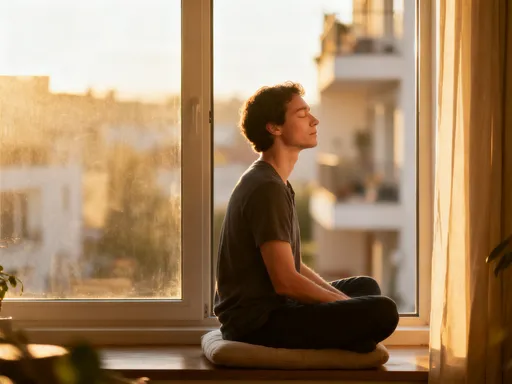
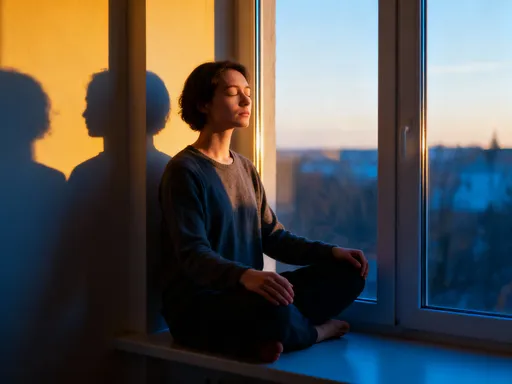
The first few weeks were harder than I expected. I started with just five minutes a day, sitting on a cushion in the corner of my bedroom. I used free guided meditations from reputable health organizations—no flashy apps or influencers. My goal wasn’t enlightenment; it was consistency. But even five minutes felt long. My legs ached. My mind jumped from my to-do list to a conversation I’d had two days ago to what I’d eat for lunch.
I didn’t feel peaceful. I felt restless, impatient, and skeptical. There were days I wanted to quit, convinced it wasn’t doing anything. But I kept going, not because I enjoyed it, but because I’d made a promise to myself. I reminded myself that building any new habit takes time, and mental training is no different. I wasn’t aiming for perfection—just presence.
By the end of the first month, I didn’t have dramatic revelations, but I noticed small shifts. I caught myself before reacting sharply to my teenage daughter. Instead of snapping, I paused, took a breath, and responded more calmly. I started falling asleep faster, and my dreams felt less chaotic. I also noticed fewer mental spirals—those loops where one small worry snowballs into a full-blown catastrophe. I still had stress, but it didn’t stick to me the way it used to.
One morning, after a particularly tense week at work, I realized I hadn’t felt the usual knot in my chest. I hadn’t even noticed its absence until it was gone. That was the first time I thought, maybe this is working. The changes weren’t flashy, but they were real. I wasn’t transformed overnight, but I was beginning to feel more like myself—clearer, steadier, more in control.
Building a Routine That Sticks
The key to making meditation a lasting habit wasn’t willpower—it was simplicity. I learned to start small. Five minutes was manageable, even on chaotic mornings. I tied it to an existing routine: after brushing my teeth and before making coffee. That tiny anchor made it easier to remember and less likely to be skipped. I didn’t wait for the “perfect” time or a quiet house. I meditated with the kids still asleep, the dog snoring in the corner, the faint sound of the neighbor’s lawnmower in the distance.
I also let go of the idea that I needed special conditions. I didn’t need silence, a fancy cushion, or a meditation app with chimes and nature sounds. A chair worked just as well. So did the floor. What mattered was showing up, even when I didn’t feel like it. I treated it like brushing my teeth—something I do every day, not because it’s exciting, but because it’s part of caring for myself.
Of course, I missed days. Life got busy. Sometimes I forgot. But I stopped beating myself up over it. Guilt only made it harder to restart. Instead, I adopted a gentle mindset: missing a day doesn’t erase progress. The next day is a new chance. I also stopped tracking meditation like a performance metric. I didn’t care how many minutes I logged or how “deep” my sessions were. I paid attention to how I felt—was I a little calmer? More focused? Less reactive? Those subtle signs became my real measure of success.
Another helpful strategy was to focus on consistency, not duration. It’s better to meditate for five minutes every day than for 30 minutes once a week. Over time, those small moments add up. And as the habit took root, I naturally began to extend my sessions—sometimes to 10, then 15 minutes—because I started to look forward to that quiet time. It became less of a chore and more of a gift I gave myself each morning.
Beyond the Cushion: How It Changed My Daily Mindset
One of the most surprising benefits of meditation was how it spilled over into everyday life. I didn’t just feel calmer during practice—I began to carry that awareness into my interactions, decisions, and routines. I became more present during conversations, actually listening instead of planning my response. I noticed when I was about to react out of habit—like reaching for my phone when I felt bored or stressed—and paused instead.
There was a moment in traffic that stood out. Someone cut me off, and in the past, I would have honked, muttered, and carried that irritation into my next meeting. This time, I felt the surge of anger, but instead of reacting, I took a slow breath. The anger was still there, but it didn’t control me. I let it pass. That small pause didn’t change the driver’s behavior, but it changed mine. I arrived at work centered, not agitated.
I also noticed improvements in my physical health. When I was more mentally clear, I made better food choices. I moved my body more—not out of obligation, but because I felt more connected to it. I paid attention to how different foods made me feel, not just how they made me look. Sleep improved, which in turn boosted my energy and mood. It was a positive feedback loop: better mental clarity led to better habits, which supported better mental health.
Perhaps the biggest shift was in how I viewed myself. Meditation didn’t make me perfect, but it helped me become more compassionate toward my imperfections. I stopped seeing my busy mind as a flaw and started seeing it as a sign of life, of caring, of being human. I learned to meet myself where I was, without judgment. That self-acceptance made it easier to extend kindness to others, too. I wasn’t just managing stress—I was building a more resilient, grounded way of living.
Making It Yours: Simple Ways to Start (Without Overthinking)
If you’re curious about meditation but don’t know where to begin, the best advice is to keep it simple. You don’t need to buy anything or download anything. Start with just one minute of focused breathing. Sit comfortably, close your eyes if you like, and pay attention to the sensation of air moving in and out of your body. When your mind wanders—and it will—gently bring it back. That’s the whole practice.
Another easy entry point is mindful walking. The next time you walk from your car to the house, or down the grocery store aisle, pay attention to the sensation of your feet touching the ground. Notice the rhythm of your steps, the movement of your arms, the air on your skin. It’s not about doing it perfectly; it’s about being present for a few moments in your day.
Body scans are also accessible. Lie down or sit comfortably and slowly bring your attention to different parts of your body, starting from your toes and moving upward. Notice any tension, warmth, or numbness without trying to change it. This practice can be especially helpful before bed, helping to release physical tension and quiet the mind.
The most important thing is to experiment and find what feels sustainable for you. There’s no single right way to meditate. Some people prefer silence; others like gentle guidance. Some sit still; others move slowly. The goal isn’t to follow a rigid method, but to cultivate awareness in a way that fits your life. And if you’re struggling with serious anxiety, depression, or trauma, please know that meditation can be a helpful tool, but it’s not a replacement for professional support. Therapy, counseling, and medical care are essential when needed.
Mental wellness isn’t about achieving a state of constant peace. It’s about building resilience, learning to navigate life’s ups and downs with more clarity and compassion. Meditation won’t fix everything, but it can help you show up for your life more fully. The changes may be quiet, almost invisible at first. But over time, they add up. Small efforts, consistent practice, and a little patience can lead to a calmer mind, a steadier heart, and a deeper sense of well-being. And that’s a practice worth making space for.