You Gotta Taste This: Frankfurt’s Food Scene Blew My Mind
Frankfurt isn’t just skyscrapers and finance—it’s a flavor explosion waiting to happen. I went looking for traditional German food but found so much more: sizzling sausages, rich sauces, fresh apple wine, and global flavors blending perfectly. Every meal felt like a celebration of culture and history. If you think German cuisine is just bratwurst and beer, trust me—you’re in for a serious surprise. This city eats differently than you expect.
First Bites: My Unexpected Welcome to Frankfurt’s Culinary World
Arriving in Frankfurt after a long flight, I expected glass towers, busy commuters, and sterile business districts. What I didn’t expect was the aroma of smoked meat and warm bread drifting through the evening air as I walked from the train station toward the old town. The city’s financial reputation had overshadowed its soul, and it took just one meal to realize I’d been misled. My introduction to Frankfurt’s culinary world came not in a fancy restaurant, but in a modest, wood-paneled tavern tucked into the cobbled streets of Sachsenhausen—a neighborhood known for its deep-rooted food traditions and vibrant local life.
There, I sat at a shared wooden table, handed a stoneware mug of cloudy, tart Apfelwein—Frankfurt’s beloved apple wine—and watched families and friends laugh over platters of regional specialties. I ordered Handkäse mit Musik, a local favorite that sounded mysterious on the menu. When it arrived—small rounds of sour milk cheese topped with a dressing of onions, oil, and vinegar—I hesitated. But one bite changed everything. The tangy cheese, sharp and earthy, paired perfectly with the sweet-sour onions. It was bold, unapologetic, and utterly authentic. The 'music' in the name, I later learned, referred to the digestive effects of raw onions—but locals wear it as a badge of honor.
This first meal set the tone for the rest of my visit. Frankfurt’s food isn’t about pretense. It’s honest, hearty, and deeply connected to place and people. I quickly realized that to understand this city, I’d need to explore beyond postcard views of the Römer or panoramic views from the Main Tower. The real story of Frankfurt was unfolding on dinner plates, in market stalls, and at communal tables where stories were shared as freely as wine.
The Soul of Frankfurt: Why Grüne Soße and Rippchen Define Local Identity
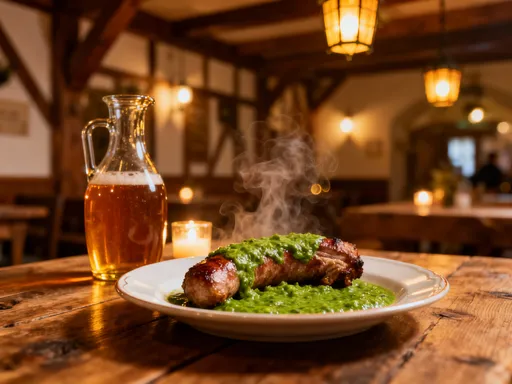
If Handkäse mit Musik is Frankfurt’s culinary handshake, then Grüne Soße—green sauce—is its beating heart. This vibrant, herb-based condiment, made from seven fresh herbs including chives, parsley, chervil, and borage, is more than a side dish; it’s a cultural emblem. Locals trace its origins to the 18th century, when it became a staple of springtime meals, often served cold over boiled potatoes and hard-boiled eggs or alongside poached beef. The recipe is protected by tradition, and many families guard their own variations like heirlooms. Some even claim Johann Wolfgang von Goethe, Frankfurt’s most famous son, considered it his favorite dish.
During my stay, I visited a seasonal Grüne Soße festival, where vendors displayed bundles of freshly picked herbs and chefs demonstrated traditional preparations. What struck me wasn’t just the flavor—bright, grassy, and refreshing—but the pride with which it was presented. This wasn’t just food; it was identity. In a world of fast trends and fusion gimmicks, Grüne Soße endures as a symbol of continuity, seasonality, and regional pride. It’s served in homes, schools, and restaurants every spring, a reminder of Frankfurt’s deep connection to the land and its rhythms.
Equally iconic is Frankfurter Rippchen, a dish of cured and smoked pork ribs, typically pan-fried until crispy on the outside and tender within. Often served with sauerkraut and potatoes, it’s a meal built for comfort and celebration. I tried it at a family-run gasthaus where the owner proudly explained that the curing process takes days and the recipe has been passed down for generations. As I savored the rich, smoky flavor, I understood why this dish is a centerpiece at Sunday dinners and holiday gatherings. It’s not just about sustenance—it’s about togetherness, tradition, and the warmth of shared meals.
From Market Halls to Street Bites: Where Locals Actually Eat
To see how Frankfurt eats every day, I made my way to the Kleinmarkthalle, a covered market in the heart of the city that has been feeding residents since 1954. Spanning two floors, the hall is a sensory delight—rows of stalls overflow with fresh produce, artisanal cheeses, smoked fish, olives, spices, and freshly baked bread. But what makes it special is its diversity. While you’ll find classic German meats and regional specialties, you’ll also see Turkish figs, Vietnamese herbs, Italian olives, and Middle Eastern pastries. This isn’t just a market; it’s a mirror of Frankfurt’s multicultural fabric.
I followed the locals’ lead, grabbing a freshly baked pretzel from a bakery stall, then stopping at a butcher’s counter for a slice of Mettwurst, a seasoned raw pork sausage often enjoyed on bread. Nearby, a vendor poured samples of apple wine, encouraging passersby to taste and compare. The atmosphere was lively but unhurried—a place where people lingered, chatted, and made their weekly food choices with care. It was clear that for many Frankfurt residents, the Kleinmarkthalle isn’t just a place to shop; it’s a weekly ritual, a community hub, and a source of culinary inspiration.
Outside the market, street food offers another window into everyday eating. Frankfurt’s take on currywurst—grilled sausage sliced and topped with a spicy ketchup-curry blend—is popular, but the real standout is the Frankfurter Wurstchen, a smaller, finer version of the bratwurst, often served with mustard and bread. Even more beloved is the city’s Döner kebab, which has evolved into something of its own. Thanks to a strong Turkish community, Frankfurt is home to some of the best Döner in Germany—thinly sliced meat, fresh vegetables, and house-made sauces wrapped in fluffy, warm flatbread. Long lines at certain stands are a testament to their quality, and many locals consider a late-night Döner an essential part of the city experience.
Beyond Bratwurst: Frankfurt’s Hidden Global Flavors
One of the most surprising aspects of Frankfurt’s food scene is its global depth. While the city proudly preserves its culinary heritage, it has also embraced flavors from around the world, thanks to decades of immigration. Neighborhoods like Bahnhofsviertel and Bornheim are culinary microcosms, where Vietnamese pho simmers beside Greek souvlaki, and Lebanese bakeries sit across from Italian espresso bars. This isn’t fusion for trend’s sake—it’s the organic result of communities making homes here and sharing their food traditions.
In Bornheim, I wandered into a small family-run Vietnamese restaurant, unassuming from the outside but packed with locals inside. The menu featured classic dishes like pho and fresh spring rolls, but I was drawn to Bún Thịt Nướng—a cold rice noodle bowl with grilled pork, herbs, and a tangy fish sauce dressing. Each bite was a balance of texture and flavor, light yet satisfying. The owner told me his parents opened the restaurant in the 1980s and that many customers have been coming for decades. It’s this sense of continuity and belonging that makes these places special—they’re not just restaurants, but community anchors.
Similarly, in the Bahnhofsviertel, I discovered a Greek taverna serving slow-cooked lamb, spanakopita, and house-made tzatziki. The owner, a second-generation immigrant, spoke proudly of using recipes from his grandmother while adapting to local tastes. This quiet blending of cultures has reshaped Frankfurt’s dining landscape, creating a city where tradition and innovation coexist. What’s remarkable is that this global influence hasn’t diluted local identity—in fact, it’s enriched it. Frankfurt hasn’t replaced its roots; it’s grown new ones.
Apple Wine Culture: More Than a Drink—A Way of Life
No exploration of Frankfurt’s food culture is complete without understanding Apfelwein, or Ebbelwoi, as it’s affectionately called in the local dialect. This tart, lightly fermented cider is more than a beverage—it’s a social institution. Traditionally made from tart cooking apples rather than sweet dessert varieties, Apfelwein has a sharp, dry profile that pairs perfectly with the city’s rich, savory dishes. It’s served in a Bembel, a gray ceramic jug, and poured into a stemmed glass called a Geripptes, or 'ribbed glass,' designed to enhance grip and flavor.
I experienced Apfelwein culture firsthand at Zum Gemalten Haus, one of the oldest wine houses in Sachsenhausen, dating back to the 18th century. The walls were adorned with hand-painted murals, the tables were long and communal, and the air buzzed with conversation and laughter. A group of regulars sang traditional songs, clinking glasses and urging newcomers to join. The owner explained that Apfelwein houses are places of connection—where neighbors meet, families celebrate, and strangers become friends over shared jugs of cider.
Seasonal festivals like the Apfelweinfest in August bring this culture to the forefront, with outdoor tents, live music, and endless pours of Ebbelwoi. But even on a quiet Tuesday evening, you’ll find locals unwinding with a glass and a plate of Handkäse. The ritual of drinking Apfelwein—sipping slowly, toasting with a hearty 'Proscht!' and lingering at the table—is a lesson in slowing down and savoring the moment. It’s a reminder that food and drink are not just about nourishment, but about belonging.
Modern Twists: How Chefs Are Reinventing Frankfurt Cuisine
While tradition runs deep in Frankfurt, a new generation of chefs is reimagining local cuisine with creativity and respect. In upscale restaurants across the city, you’ll find dishes that honor the past while embracing the present. At one contemporary eatery in the Westend district, I tried a refined version of Rindswurst, Frankfurt’s famous beef sausage. Instead of being boiled and served plain, it was seared to perfection, plated with a modern interpretation of Grüne Soße—emulsified into a silky foam—and accompanied by roasted baby carrots and crispy potato hash. The flavors were familiar, but the presentation was elevated, a testament to how tradition can evolve without losing its essence.
Another chef, trained in classical French technique but deeply inspired by regional ingredients, created a deconstructed Rippchen dish—smoked pork belly in delicate layers, paired with a sauerkraut gel and a reduction of apple and caraway. It was bold, artistic, and deeply rooted in local flavors. These modern interpretations aren’t about replacing the old, but about expanding the conversation. They invite diners to see Frankfurt’s cuisine not as static, but as living and evolving.
What’s encouraging is that even in fine dining, the focus remains on quality ingredients, seasonality, and authenticity. Many chefs source from local farms, visit the Kleinmarkthalle for inspiration, and collaborate with traditional producers. This bridge between old and new ensures that innovation doesn’t come at the cost of identity. Frankfurt’s culinary future isn’t about erasing the past—it’s about building on it with care and creativity.
Planning Your Food Journey: Practical Tips for a True Frankfurt Taste Adventure
For travelers eager to explore Frankfurt’s food scene, timing can make all the difference. Spring is a magical season, when Grüne Soße returns to menus and outdoor markets burst with fresh herbs and asparagus. The annual Grüne Soße Festival in April is a must-visit, offering tastings, cooking demos, and cultural events. Autumn brings the Apfelwein season into full swing, with harvest festivals and wine tastings throughout Sachsenhausen. These times offer the most authentic and vibrant food experiences.
In terms of neighborhoods, start in Sachsenhausen for traditional taverns and apple wine houses, then explore Bornheim for its mix of cozy cafes and international restaurants. The Innenstadt (city center) is great for casual eats and market visits, while the Bahnhofsviertel offers bold, diverse flavors in an urban setting. A self-guided food walk—beginning at the Kleinmarkthalle, winding through the old town, and ending in a wine house—is an ideal way to experience the city’s range.
When dining, a few cultural tips go a long way. Always say 'Guten Appetit' before eating, and return a 'Proscht!' when toasting. Tipping in Germany is customary—rounding up the bill or adding 5–10% is appreciated. Most importantly, don’t rush. Meals are meant to be lingered over, especially in wine houses where the pace is relaxed and conversation flows freely. Order what looks good, ask vendors for recommendations at the market, and don’t be afraid to try something unfamiliar—like Handkäse mit Musik. The best meals are often the ones you didn’t expect.
Conclusion
Frankfurt’s dining experience is a story of contrast—old and new, local and global, hearty and refined. It’s not just about eating; it’s about understanding a city through its shared meals and kitchen traditions. Whether you're clinking glasses of Apfelwein in a rustic tavern or discovering fusion flavors in a hidden alley, Frankfurt feeds both body and curiosity. The real magic? It welcomes every traveler to pull up a chair and taste its truth.