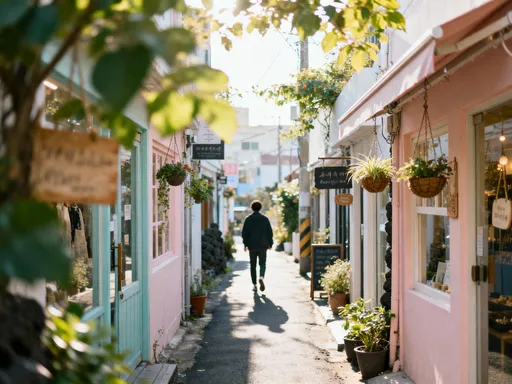
You Won’t Believe Where I Found Paradise While Shopping in Cebu
Cebu isn’t just a tropical escape—it’s where nature and shopping blend in the most unexpected ways. I stumbled upon seaside markets tucked between cliffs, island-hopped to find handwoven treasures, and sipped fresh coconut water while bargaining for souvenirs. The lush hills, turquoise waters, and vibrant local culture don’t just frame your shopping journey—they become part of it. This is retail therapy with a breathtaking view. Here, commerce flows as naturally as the ocean tides, shaped by generations of artisans who draw inspiration from the land and sea. Every purchase tells a story, every market visit becomes an adventure, and every moment spent exploring Cebu’s open-air bazaars feels like stepping into a living postcard. Paradise, it turns out, isn’t only found on quiet beaches or mountain trails—it’s also waiting in the folds of a handwoven bag, in the glint of a shell earring, in the warmth of a craftsman’s smile.
Why Cebu? The Allure of Island Culture and Commerce
Cebu stands as a rare destination where urban energy, rural tradition, and natural splendor converge into a singular experience. Located in the heart of the Philippines, this island province stretches across dramatic coastlines, terraced highlands, and vibrant cityscapes, offering travelers a rich tapestry of environments—all within a few hours’ journey. Unlike conventional shopping destinations that rely on air-conditioned malls and imported goods, Cebu’s commerce is deeply rooted in its geography and heritage. The island’s long history as a trading hub dates back centuries, when Chinese, Malay, and Spanish merchants arrived by sea, exchanging silk, spices, and porcelain. Today, that legacy lives on, not in sterile boutiques, but in open-air markets where the rhythm of daily life unfolds alongside commerce.
What sets Cebu apart is how seamlessly shopping integrates with the natural world. In many parts of the island, markets aren’t separate from the landscape—they’re embedded within it. Vendors set up stalls beneath mango trees, along coastal promenades, or at the edge of rice fields, creating a retail environment that feels organic and unhurried. This connection between place and product gives Cebu’s shopping experience authenticity that can’t be replicated in commercial centers. When you buy a hand-carved wooden spoon or a basket made from dried palm leaves, you’re not just acquiring an object—you’re participating in a tradition shaped by the island’s climate, flora, and community values.
Travelers are increasingly seeking experiences that go beyond sightseeing, and Cebu delivers. It offers the chance to engage directly with local makers, to witness craftsmanship in real time, and to carry home something meaningful. Whether you’re browsing for souvenirs or searching for unique home décor, Cebu invites you to slow down, observe, and connect. The island’s blend of natural beauty and cultural richness transforms shopping from a transaction into a form of storytelling—one where every item has a provenance, every vendor has a name, and every visit leaves a quiet impression on the soul.
From Beachfront Stalls to Mountain Markets: Shopping as a Sensory Journey
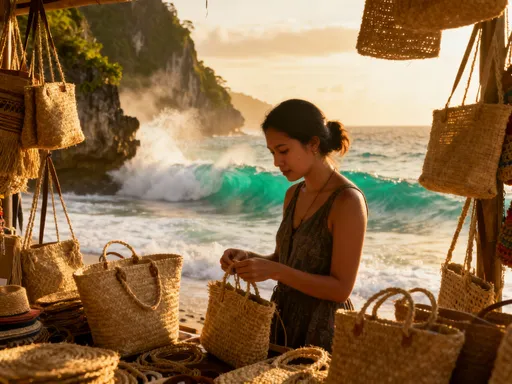
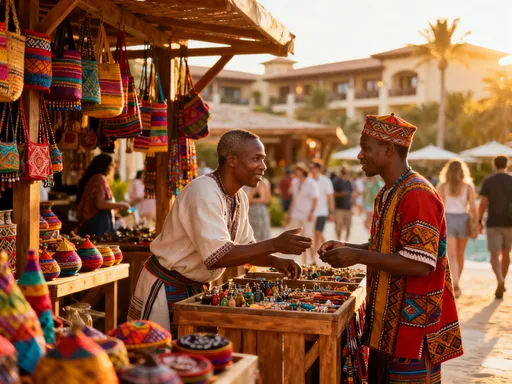
Shopping in Cebu is never confined to four walls. Instead, it unfolds as a sensory-rich journey through some of the island’s most scenic landscapes. Along the western coast, in towns like Moalboal and Oslob, seaside markets spring up near coral reefs and fishing docks. Here, vendors display their wares on bamboo tables shaded by palm fronds, their stalls just steps from the shoreline. The sound of crashing waves provides a constant soundtrack, mingling with the calls of children playing in the surf and the occasional bark of a friendly stray dog. The air carries the briny scent of the sea, layered with the sweetness of ripe pineapples and grilled seafood sizzling on nearby grills. In this setting, bargaining for a woven hat or a hand-painted fan feels less like commerce and more like participation in a coastal ritual.
Just a short drive inland, the shopping experience shifts again—this time into the cool, green highlands. In elevated neighborhoods like Busay and Tabunan, hillside markets thrive under the canopy of towering acacia and narra trees. These open-air bazaars are quieter, more intimate, often run by families who have lived in the area for generations. Stalls are built from reclaimed wood, their roofs thatched with dried nipa palm. Shoppers browse baskets of organic vegetables, hand-stitched quilts, and carved wooden figurines while listening to the distant chirping of jungle birds. The mountain breeze carries the earthy aroma of damp soil and blooming jasmine, creating an atmosphere of calm reflection. Unlike the bustling pace of city markets, these highland stops encourage lingering, conversation, and mindful selection.
Even within Cebu City, nature finds a way into the marketplace. Public plazas and park-adjacent vendor zones are common, allowing shoppers to rest on shaded benches between purchases or sip coconut water while watching street performers. This intentional blending of commerce and environment reflects a deeper cultural value: the belief that daily life should be lived in harmony with nature. In Cebu, shopping isn’t about escaping the outdoors—it’s about embracing it. Whether you’re standing barefoot on warm sand while selecting seashell jewelry or walking uphill through a misty forest path to reach a weekend artisan fair, the landscape becomes an active participant in your journey. Each sensory detail—the warmth of the sun, the texture of hand-spun fabric, the taste of fresh mango slices offered by a smiling vendor—adds depth to the experience, making it one that resonates long after the souvenirs are unpacked.
What to Buy: Local Crafts Rooted in Nature
One of the most rewarding aspects of shopping in Cebu is the opportunity to bring home items that are not only beautiful but deeply connected to the island’s natural resources. Local artisans rely on materials found in their surroundings—wood, fiber, shells, and clay—to create functional and decorative pieces that reflect both tradition and sustainability. Among the most prized items are hand-carved furniture and wooden crafts made from sustainably harvested hardwoods like molave, narra, and kamagong. These dense, durable woods are native to the region and prized for their rich grain and longevity. Skilled carvers, often trained through family lineages, shape dining tables, religious icons, and small keepsakes with meticulous attention to detail. When purchasing wooden items, look for smooth finishes, tight joinery, and the absence of synthetic stains—signs of authentic, handcrafted work.
Another hallmark of Cebu’s artisan culture is the use of abaca fiber, a strong, silky material derived from the banana plant. Woven into bags, mats, and hats, abaca products are lightweight, durable, and biodegradable—ideal for eco-conscious travelers. The weaving process is often done on foot-powered looms, a technique passed down through generations. Many cooperatives in rural barangays employ women weavers, ensuring fair wages and community support. When selecting abaca goods, examine the tightness of the weave and the consistency of the dye—natural pigments from roots, leaves, and bark produce earthy tones that deepen over time. These pieces aren’t just accessories; they’re testaments to sustainable craftsmanship.
For jewelry lovers, Cebu offers an array of shell and coral-inspired designs. While real coral is no longer harvested due to environmental protections, artisans create stunning replicas using ceramic, resin, or sustainably collected shells like mother-of-pearl and capiz. Earrings, necklaces, and bracelets often mimic the organic shapes of sea fans, starfish, and coral branches, capturing the essence of the ocean without harming it. Additionally, local potters craft ceramics with glazes that echo the colors of Cebu’s waters—turquoise, seafoam green, and deep sapphire—often shaped into vases, bowls, or decorative tiles. These items make thoughtful, meaningful gifts, each one carrying the spirit of the island’s natural beauty and the hands that shaped it.
Where to Shop: Open-Air Markets and Hidden Village Workshops
To truly experience Cebu’s shopping culture, one must venture beyond the polished corridors of shopping malls and into its vibrant, open-air markets. At the heart of Cebu City lies Carbon Market, the island’s oldest and most famous public market. Though primarily known for fresh produce, seafood, and spices, Carbon also hosts sections dedicated to handicrafts, woven textiles, and religious items. The atmosphere is electric—vendors call out prices, shoppers weave through narrow aisles, and the scent of ripe fruit mingles with incense from nearby stalls. While it may feel overwhelming at first, Carbon offers an unfiltered glimpse into local life. For travelers, it’s a chance to observe how residents shop daily, to taste street food like grilled bananas and sweet yema candies, and to discover hidden gems like hand-embroidered handkerchiefs or vintage metal lanterns.
Another must-visit is Taboan Market, often called the “dried fish capital” of Cebu, but also a treasure trove for those interested in local snacks and preserves. Here, shelves overflow with salted fish, mango chips, and sweet coconut candies wrapped in colorful paper. While not a craft market per se, Taboan exemplifies how Cebu’s commerce revolves around natural abundance. Many of the preserved goods are made using sun-drying techniques that have been used for generations, requiring no artificial preservatives. Visitors can sample before buying, engaging in friendly exchanges with vendors who are often eager to share recipes or storage tips. The market’s open-air layout, with wooden awnings and natural ventilation, enhances the experience, allowing sunlight and breeze to filter through.
For a more intimate shopping experience, seek out the rural artisan workshops scattered across Cebu’s countryside. In villages like Argao, Boljoon, and Samboan, small cooperatives operate from family homes or community centers, offering direct access to makers. These workshops often welcome visitors for short tours, where you can watch weavers at their looms, observe woodcarvers shaping raw timber, or even try your hand at basic pottery techniques. Purchasing here ensures that your money supports local families directly, bypassing middlemen and mass production. Some cooperatives also offer custom orders, allowing you to commission a piece tailored to your taste. These hidden spots may require a bit of effort to reach, but the reward is not just a unique souvenir—it’s a personal connection to the people and traditions behind it.
The Role of Nature in the Shopping Experience
In Cebu, nature doesn’t merely serve as a backdrop—it actively shapes the rhythm and meaning of shopping. Unlike the hurried pace of urban retail, where transactions are measured in seconds, shopping in Cebu unfolds slowly, guided by the natural world. The rising sun signals the opening of morning markets, while the setting sun over the Tañon Strait often marks the close of a day’s browsing. This alignment with natural cycles encourages mindfulness, inviting shoppers to pause, observe, and appreciate. When you select a sarong from a beachfront stall as the tide rolls in, or choose a wooden cross under the shade of a centuries-old tree, the environment becomes part of the decision-making process. The surroundings influence not just what you buy, but how you feel while buying it.
The sensory richness of these natural settings deepens the emotional impact of each purchase. The sound of wind rustling through palm leaves, the cool touch of a handwoven blanket, the sight of a craftsman shaping wood with practiced hands—all contribute to a multi-layered experience that transcends materialism. These moments foster a sense of presence, pulling travelers away from the distractions of daily life and into the immediacy of the here and now. In this way, shopping becomes a form of meditation, a way to reconnect with simplicity and authenticity. The items acquired aren’t just objects; they become anchors for memory, tied to the scent of frangipani, the warmth of the sun, or the laughter shared with a vendor over a shared joke.
Moreover, the integration of nature into commerce reflects a broader cultural philosophy—one that values balance, respect, and sustainability. Many artisans speak of their work as a dialogue with the environment, using only what the land provides and giving back through conservation efforts. Some cooperatives replant trees for every one harvested, while others use solar-powered kilns for pottery. These practices aren’t marketed as trends; they’re lived traditions. For the traveler, witnessing this harmony between human creativity and natural stewardship adds a layer of meaning to every purchase. It transforms shopping from an act of consumption into an act of appreciation—a quiet acknowledgment of the island’s beauty and the people who protect it.
Practical Tips: Balancing Adventure and Commerce
To make the most of Cebu’s shopping landscape, a bit of planning goes a long way. Start your market visits early in the morning, ideally between 7:00 and 9:00 a.m., when temperatures are cooler and vendors are restocking their freshest goods. Mornings also offer the best lighting for photographing crafts and the greatest chance of catching live demonstrations, such as weaving or carving. If you’re combining shopping with island exploration, consider scheduling market stops after beach visits or nature tours—this not only saves time but allows you to shop with a relaxed mindset, making more thoughtful choices.
Eco-friendly practices should be a priority. Bring a reusable cloth bag to reduce plastic waste, especially when buying bulky items like baskets or textiles. Avoid purchasing products made from endangered materials, such as real coral, turtle shell, or protected hardwoods. Instead, opt for certified sustainable alternatives and ask vendors about the sourcing of their materials. Supporting cooperatives and family-run workshops ensures that your spending directly benefits local communities, rather than large importers or foreign-owned chains. Many cooperatives proudly display certificates of fair trade or environmental compliance—look for these as signs of ethical production.
Transportation choices also matter. While taxis and ride-hailing apps are convenient in the city, consider using jeepneys or tricycles for shorter trips—they’re more affordable and have a lower carbon footprint. For rural workshops, hiring a local guide or joining a small-group tour can enhance access while supporting community-based tourism. Always carry small bills for bargaining, as many vendors cannot make change for large denominations. And remember, haggling is expected in markets, but it should be done respectfully—smiles and polite conversation often lead to better deals than aggressive negotiation. Above all, approach each interaction with curiosity and gratitude; the relationships you build may become the most cherished souvenirs of all.
Beyond the Purchase: Why These Moments Stay With You
In the end, what lingers from a trip to Cebu isn’t just the collection of items brought home, but the quiet moments woven into the experience. It’s the memory of sitting on a wooden bench in a hillside market, sipping hot tsokolate made from local cacao, while a grandmother demonstrates how to weave abaca into a sturdy bag. It’s the laughter shared with a vendor who insists you try a sample of homemade mango jam, or the stillness of watching a woodcarver sand the edge of a figurine, his hands moving with decades of muscle memory. These are the moments that imprint themselves on the heart, far more than any photograph or receipt ever could.
Shopping in Cebu becomes meaningful not because of what is bought, but because of how it is done—with presence, connection, and respect. Each item carries more than aesthetic value; it holds the imprint of the island’s spirit, the warmth of human interaction, and the quiet beauty of nature. When you unfold a handwoven table runner at home or hang a shell mirror on your wall, you’re not just decorating a space—you’re recreating a feeling, reviving a memory, honoring a tradition. These objects serve as bridges, linking your everyday life to a place where commerce and nature exist in harmony.
Perhaps the greatest gift Cebu offers is the reminder that travel is not just about seeing new places, but about engaging with them in a way that enriches both visitor and host. In a world increasingly dominated by mass production and digital transactions, Cebu’s markets stand as a testament to the enduring power of handmade, heart-led commerce. They invite us to slow down, to listen, to choose with intention. And in doing so, they offer something rare and precious: a moment of genuine connection in an often hurried world. Paradise, after all, isn’t just a destination—it’s a feeling, a rhythm, a way of being. And sometimes, you find it not on a deserted beach, but in the simple act of choosing a hand-carved spoon from a smiling artisan beneath a swaying palm tree.