You Won’t Believe These Hidden Photo Spots in Oaxaca
Oaxaca is more than just colorful streets and mole sauce—it’s a photographer’s dream hiding in plain sight. I wandered through cobblestone alleys and stumbled upon corners so vibrant, so full of soul, I couldn’t stop clicking. From markets bursting with life to silent mountain viewpoints, each place tells a story through light and color. If you're chasing authentic moments, not just Instagram likes, Oaxaca’s theme-based zones will blow your mind. Let me show you where the magic really lives.
The Heartbeat of Oaxaca: Centro Histórico’s Living Canvas
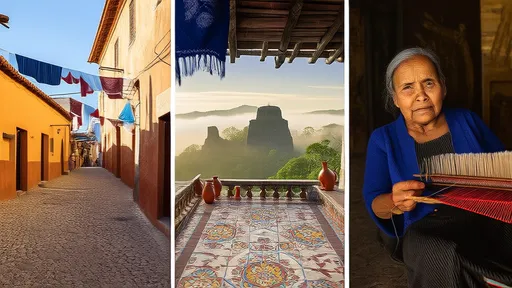
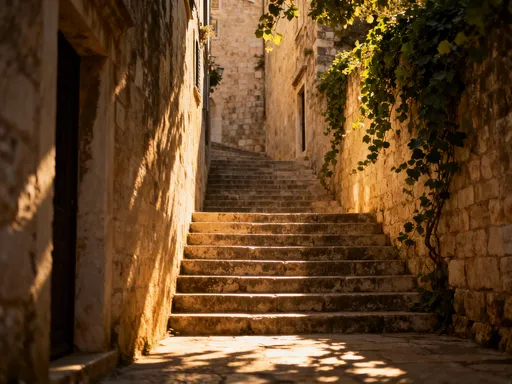
The historic center of Oaxaca City pulses with visual rhythm, where every turn reveals a new composition waiting to be framed. This UNESCO World Heritage site is not just preserved—it’s alive, breathing through the footsteps of locals, the rustle of market bags, and the hum of church bells echoing off centuries-old stone. The colonial architecture, built from pink cantera rock, glows in warm hues at sunrise and sunset, transforming plazas like the Zócalo and Santo Domingo into golden stages for daily life. It’s here that photographers find endless inspiration in textures—peeling paint on wooden doors, iron grilles shaped like flowers, and balconies spilling with red geraniums against ochre walls.
What makes Centro Histórico truly exceptional is its seamless fusion of Spanish design and indigenous creativity. The zócalos—ornamental baseboards lining many buildings—are hand-carved with motifs of maize, jaguars, and Zapotec deities, turning entire blocks into open-air galleries. These details aren’t staged for tourists; they’re part of everyday identity. For photographers, this means rich storytelling potential. A single wall can convey generations of cultural pride, especially when captured in soft morning light, which enhances depth and shadow without harsh contrast. Early risers are rewarded with fewer crowds and golden illumination that lasts just an hour—ideal for portrait-style shots of street cleaners, bakers opening shop, or elders walking to mass.
Festivals elevate the city’s photogenic energy to another level. During Guelaguetza in July or Día de Muertos in November, the streets become stages of movement and color. Women in embroidered huipiles dance in parades, while flower-laden altars appear on sidewalks. These moments offer dynamic photo opportunities, but require sensitivity. Rather than intrusive close-ups, consider wider angles that capture emotion and context—laughter mid-step, hands clasped in tradition, or the glint of sunlight on a headdress. By respecting personal space and asking permission when appropriate, photographers preserve dignity while documenting joy. The Centro, in all its layered beauty, teaches a vital lesson: the most powerful images often come not from grand vistas, but from quiet observation of daily ritual.
Markets as Masterpieces: Tlacolula and Mercado 20 de Noviembre
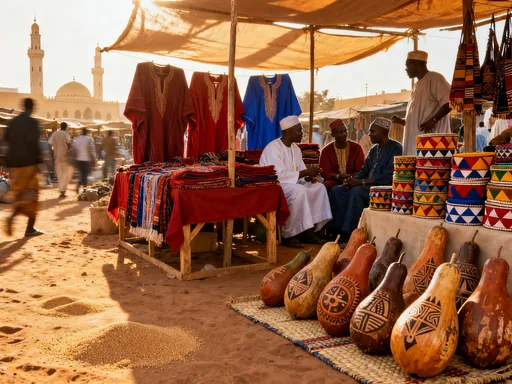
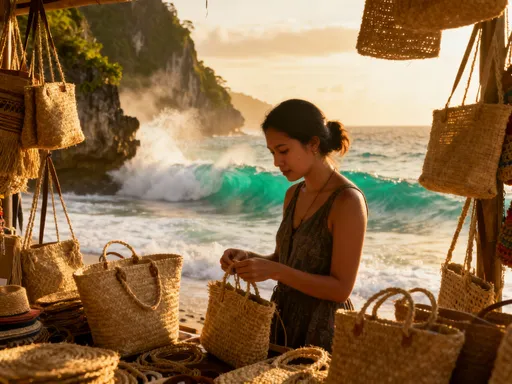
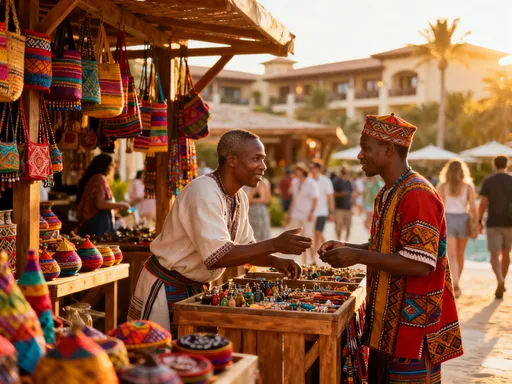
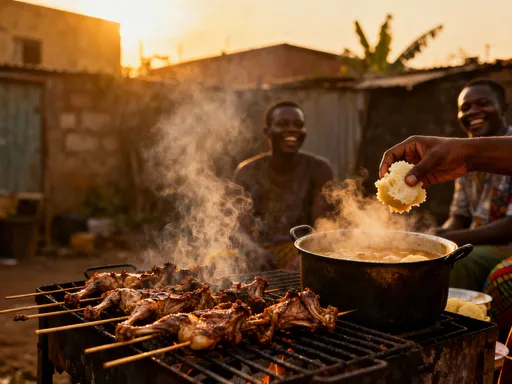
If Oaxaca’s soul has a marketplace, it lives in the Saturday market of Tlacolula and the bustling Mercado 20 de Noviembre in the city center. These are not tourist bazaars but living ecosystems of commerce, culture, and community. The air hums with the sizzle of tasajo on open grills, the scent of roasted chiles, and the baritone calls of vendors announcing their wares. For photographers, the sensory overload is both a challenge and an invitation—to slow down, observe, and capture authenticity without disruption. The key lies in patience and presence, allowing moments to unfold naturally rather than forcing them.
Tlacolula, located about 30 kilometers east of Oaxaca City, comes alive once a week when farmers, weavers, and food sellers flood the town square. Whole families arrive before dawn, unloading crates of mangoes, bundles of herbs, and live chickens. The market spills into side streets, creating organic alleyways lined with stalls selling everything from hand-woven rugs to medicinal plants. This is documentary photography at its finest—unposed, raw, and deeply human. To capture it well, use a mid-range lens (35mm or 50mm) to stay close enough for detail but distant enough to avoid intrusion. Focus on textures: the cracked hands of an elder grinding cacao, the weave of a palm hat, or the steam rising from a pot of fresh atole. These small details tell larger stories about labor, tradition, and sustenance.
In contrast, Mercado 20 de Noviembre operates daily and draws both locals and curious travelers. Its famous pasillo del humo—the “smoke corridor”—is a narrow passage where meat sizzles over open flames, smoke curling toward the ceiling like incense. The light here is dim and dramatic, perfect for moody, high-contrast shots. Use a higher ISO setting to maintain clarity in low light, and shoot in bursts to catch fleeting expressions—a chef flipping meat, a customer laughing, a child peering through the haze. When photographing people, a simple smile and nod can go a long way. Many vendors are accustomed to cameras, but a quiet gesture of respect—waiting for acknowledgment before shooting—builds trust and often leads to more genuine interactions. Some may even invite you to photograph their stall up close, especially if you show interest in their craft. These moments, born of mutual respect, yield the most memorable images.
Village Vignettes: The Craft Towns of the Central Valleys
Just beyond Oaxaca City’s outskirts lie the Central Valleys, a cluster of villages renowned for centuries-old artisan traditions. Each town has carved a distinct identity through craft, offering photographers thematic narratives that unfold over hours or days. Teotitlán del Valle is celebrated for its wool rugs dyed with natural pigments—cochineal red, indigo blue, moss green—woven on wooden looms passed down through generations. San Bartolo Coyotepec is home to the famed barro negro, or black clay pottery, whose glossy finish and resonant tone have made it a symbol of Oaxacan artistry. And in Arrazola, whimsical alebrijes—fantastical painted creatures made from copal wood—spring to life in family workshops, their bright eyes and swirling patterns inviting imaginative compositions.
Photographing these villages requires more than a good lens; it demands cultural awareness. Artisans often work in open-air patios or small family-run studios, where the rhythm of creation is both meditative and communal. In Teotitlán, for instance, women may be carding wool while children play nearby, and elders sit in the shade weaving stories as much as textiles. To document this authentically, arrive early and ask permission before raising your camera. Many artisans welcome photography, especially if you express genuine interest in their process. A few minutes of conversation—asking about dye sources or weaving techniques—can open doors to deeper access and more meaningful images.
Transportation between these towns is straightforward but requires planning. Buses run regularly from Oaxaca City’s north bus terminal, with Teotitlán and San Bartolo reachable in under an hour. Taxis offer more flexibility, especially for visiting multiple villages in one day. When photographing, consider light direction: north-facing patios in Teotitlán receive soft, even illumination ideal for capturing color accuracy in textiles. In San Bartolo, the polished surfaces of barro negro reflect light dramatically, so side lighting can enhance texture and depth. For alebrijes in Arrazola, shoot close-ups of intricate paintwork, but also step back to show the artist at work—hands carving, brushstrokes in motion, or a child helping to sand a dragon’s wing. These sequences tell a story beyond the object itself, revealing the human heart behind the craft.
Mountains and Mist: The Quiet Drama of Hierve el Agua
Rising from the arid hills of the Oaxacan highlands, Hierve el Agua is a landscape that defies expectation. Two petrified waterfalls, formed by mineral-rich springs over thousands of years, appear to freeze mid-flow down the cliffside, their calcified layers resembling cascading stone. Nearby, natural infinity pools cling to the edge of the canyon, offering swimmers panoramic views of the valley below. For photographers, this site is a masterclass in geological beauty and atmospheric variation. The interplay of rock, water, and sky creates a surreal palette—white travertine against rust-colored earth, deep blue sky, and the occasional veil of morning mist.
The best time to photograph Hierve el Agua is early morning, when fog drifts through the canyon like breath. This soft, diffused light minimizes harsh shadows and enhances the dreamlike quality of the petrified falls. Wide-angle lenses capture the full scale of the formations, while telephoto settings isolate patterns in the rock—ripples frozen in time, mineral veins like brushstrokes. The infinity pools, filled with cool, mineral-laden water, reflect the sky and surrounding cliffs, creating mirror-like compositions. Shooting from a low angle can amplify this effect, turning the pool into a portal between earth and sky.
Midday brings clarity and contrast, ideal for documenting textures and human presence. Visitors wade in the pools, their silhouettes framed against the vastness of the valley. Golden hour, just before sunset, bathes the site in warm amber tones, casting long shadows that emphasize depth and contour. This is the moment to focus on intimate details—the crystalline edge of a rock formation, a single leaf floating in the pool, or the silhouette of a lone figure gazing into the distance. Because the site is relatively small, it’s easy to over-photograph the same angles. To stand out, look for asymmetry, negative space, or moments of stillness amid movement. Hierve el Agua rewards patience and perspective, reminding photographers that nature’s most powerful images are often the quietest.
Alleyways of Abundance: Street Art in the Raval Zone
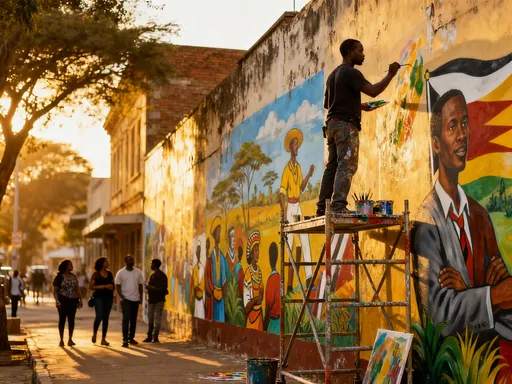
On the eastern edge of Oaxaca City, beyond the postcard-perfect center, lies the Raval neighborhood—a district where urban expression thrives in vibrant, unfiltered form. Once overlooked, Raval has become a canvas for local and visiting artists who use walls, staircases, and abandoned buildings as platforms for social commentary and cultural celebration. Murals here range from towering portraits of indigenous leaders to playful depictions of alebrijes dancing through clouds. Unlike curated galleries, this art evolves constantly, responding to current events, community needs, and artistic experimentation.
Photographing street art in Raval is an exercise in discovery. Narrow alleys open into courtyards splashed with color, and stairwells become vertical galleries. The contrast between crumbling concrete and vivid paint creates powerful visual tension—decay and renewal existing side by side. Some murals carry political messages, honoring land defenders or protesting environmental destruction. Others celebrate Oaxaca’s biodiversity, with monarch butterflies, jaguars, and native plants rendered in bold, folk-inspired styles. When capturing these works, consider the context: a mural of a Zapotec woman may be painted beside a functioning bakery, her image watching over daily life. These juxtapositions add layers of meaning to your photos.
Safety and respect are essential when exploring Raval. While the area is increasingly visited by photographers and art lovers, it remains a residential neighborhood. Walk during daylight hours, avoid isolated corners, and always be mindful of private property. If you encounter an artist at work, a polite greeting can lead to insightful conversation about their message and technique. Many murals are collaborative, created during festivals like the annual Murales para la Vida, where communities come together to transform neglected spaces. Documenting this process—scaffolding in place, brushes in hand, paint cans scattered—can yield compelling behind-the-scenes images. The street art of Raval reminds us that beauty often emerges where it’s least expected, and that photography can be both witness and tribute.
Cemetery Light: San Pablo Villa de Mitla’s Twilight Hour
Perched at the edge of the Tlacolula Valley, the town of San Pablo Villa de Mitla is best known for its ancient Zapotec ruins, but its true photographic gem may be the local cemetery at twilight. Especially during Día de Muertos, this sacred space becomes a luminous tapestry of candles, marigolds, and handwritten notes. Families gather to clean graves, share meals, and sing softly under starlight. The air carries the scent of copal incense and sweet bread, while candle flames flicker like fireflies across the stone pathways. For photographers, this is a moment of profound stillness and connection—a chance to capture light not as illumination, but as emotion.
Even outside the November festivities, the cemetery holds a quiet beauty. After sunset, the surrounding mountains fade into silhouette, and the church’s white façade glows in the last light. Tombstones are decorated with personal touches—photos of the departed, small toys, bottles of mezcal—each a quiet testament to love and memory. To photograph here respectfully, move slowly and speak softly. Avoid using flash, which can disrupt the atmosphere and feel invasive. Instead, rely on natural and ambient light, using a tripod if possible to stabilize long exposures. A wide aperture (f/1.8 to f/2.8) helps gather available light while creating a soft background blur that honors the intimacy of the space.
The key to meaningful cemetery photography is intention. This is not a stage for dramatic poses or voyeuristic shots. Instead, focus on details—the curve of a candle holder, the texture of a weathered photo frame, the way a child’s drawing is weighted down with a stone. These small elements convey deep emotion without exposing personal grief. If families are present, observe from a distance unless invited closer. Some may welcome your presence, especially if you explain your interest in cultural traditions. The cemetery at Mitla teaches photographers that the most powerful images are not always the brightest, but those that carry silence, reverence, and the soft glow of remembrance.
Closing Frame: Why Oaxaca’s Soul Lives in Its Details
Oaxaca does not reveal itself in grand gestures alone. Its magic lies in the crack of a clay pot, the fold of a woven skirt, the way morning light catches a market vendor’s silver hair. This region invites photographers to slow down, to look deeper, and to listen with their lenses. Each place visited—whether the colonial heart of the city, the artisan workshops of the valleys, or the silent cemeteries at dusk—offers not just a photo, but a story. The most enduring images are not those that capture perfection, but those that honor imperfection, presence, and the quiet dignity of everyday life.
What sets Oaxaca apart is its resistance to being reduced to a single image. It cannot be summed up by a postcard or a trending hashtag. Instead, it asks for time, curiosity, and respect. It rewards those who return to the same market stall, who learn a few words in Zapotec, who wait for the right light rather than forcing the shot. In doing so, photography becomes more than documentation—it becomes dialogue, a way of connecting across cultures and generations.
So if you go to Oaxaca with a camera, let it be with open eyes and a humble heart. Seek not just the colorful, but the meaningful. Look beyond the obvious landmarks to the hands that shape them, the stories that sustain them, and the light that transforms them daily. Let your photos reflect not just what you saw, but what you felt. Because in Oaxaca, the soul is not hidden—it’s waiting in plain sight, in every quiet corner, every shared smile, every moment of stillness between the noise. Go, explore, and let the details speak.