You Gotta Try These Dakar Specialties – Honest Local Tips You Can’t Miss
Dakar, Senegal, isn’t just about golden beaches and vibrant culture—its specialty products will redefine your travel experience. From handcrafted tanjigues to rich thiakry snacks, every item tells a story. I discovered these treasures while exploring local markets, chatting with artisans, and tasting my way through the city. This isn’t a generic guide—it’s real talk from the ground. If you want authentic keepsakes that mean something, let me show you what to look for, where to find it, and how to avoid tourist traps.
Why Specialty Products Matter in Dakar
In Dakar, specialty products are far more than souvenirs—they are living expressions of Senegalese identity, history, and daily life. Each handmade textile, carved gourd, or spiced condiment reflects generations of tradition, passed down through families and communities. These items are not mass-produced for export; they emerge from a deep cultural fabric that values craftsmanship, storytelling, and connection. When you hold a handwoven basket or taste a jar of locally blended dibi seasoning, you're engaging with the rhythms of Senegalese homes, markets, and celebrations.
The significance of these goods goes beyond aesthetics. Take the bazin fabric, often used in traditional boubous. Its crisp sheen and intricate embroidery are not merely decorative—they signal occasions of importance, from weddings to religious festivals. Similarly, calebasses, the ornately carved gourds found in homes and markets, serve both functional and symbolic roles. Historically used for storing water or grains, they now also bear patterns that communicate regional heritage and spiritual beliefs. These objects are not static artifacts but dynamic parts of contemporary Senegalese life.
Buying locally made specialty products also supports sustainable tourism and community resilience. When travelers choose authentic crafts over imported trinkets, they help sustain artisan livelihoods, particularly for women in cooperatives and rural collectives. This form of economic participation strengthens local economies and encourages the preservation of traditional skills. More than that, it fosters mutual respect between visitor and host. Your purchase becomes a quiet act of recognition—affirming the value of local knowledge and artistry. In this way, shopping in Dakar transforms from a transaction into a meaningful exchange.
Must-Know Tips Before You Shop
Shopping in Dakar’s markets is an immersive experience, but preparation enhances both enjoyment and authenticity. Timing matters: visiting early in the morning, between 8:00 and 10:30 a.m., ensures access to the freshest stock and a more relaxed atmosphere. Vendors arrive before sunrise to arrange their goods, and produce, baked snacks, and handmade items are at their peak. Midday brings heat and crowds, while late afternoons see some stalls closing early, especially on Fridays, the weekly prayer day.
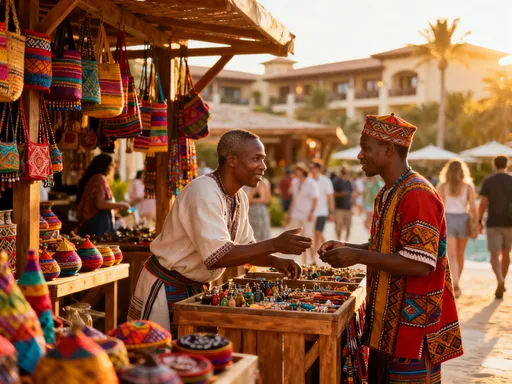
Engaging respectfully with vendors is essential. A simple greeting in Wolof—such as "Salaam alekum" (peace be upon you) or "Nanga def?" (how are you?)—opens doors more than rushing into a transaction. Many artisans appreciate the effort, even if your pronunciation is imperfect. Bargaining is common, but it should feel like a conversation, not a confrontation. Begin by asking the price, then offer slightly less—typically 20 to 30 percent below—while remaining polite. If the seller won’t go lower, a smile and a thank you preserve goodwill. Remember, fair value supports their work; exploitation undermines trust.
Practical preparation improves your shopping experience. Carry small denominations of West African CFA francs, as change can be scarce. While some vendors accept mobile payments via local platforms, cash remains king, especially in traditional markets. Bring a reusable bag—plastic bags are increasingly discouraged in Senegal due to environmental policies. Consider carrying a photo or sketch of an item you’re seeking, particularly for textiles or patterns, to aid communication. Avoid rushing through stalls or treating vendors as background scenery. Genuine curiosity and patience often lead to unexpected discoveries—like a hidden stall selling hand-stitched tanjigues or a grandmother offering samples of homemade thiakry.
One often-overlooked tip is to avoid fixed pricing as a measure of authenticity. Some of the most genuine artisans charge fairly but don’t haggle, especially in curated spaces like the Village des Arts. Conversely, suspiciously low prices in high-traffic areas may indicate imported imitations. Trust your instincts: if a deal feels too good to be true, it likely is. The goal is not to get the cheapest item but the most meaningful one.
Top 3 Authentic Markets for Real Finds
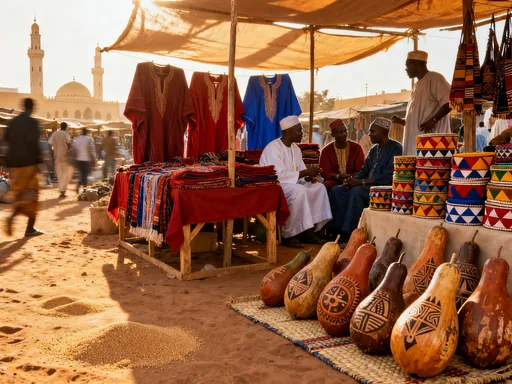
For travelers seeking authentic specialty goods, Dakar offers a trio of markets that balance accessibility, variety, and cultural depth. Sandaga Market, located in the bustling downtown district, is the city’s commercial heartbeat. More than a shopping destination, it’s a sensory immersion. Rows of stalls overflow with bolts of bazin fabric, hand-embroidered boubous, spices, and household goods. While some sections cater to tourists, venturing deeper into the labyrinth reveals vendors selling everyday items to locals—where the most genuine textiles and food products are found. Arrive early, stay aware of your surroundings, and follow the lead of Senegalese shoppers who navigate the aisles with practiced ease.
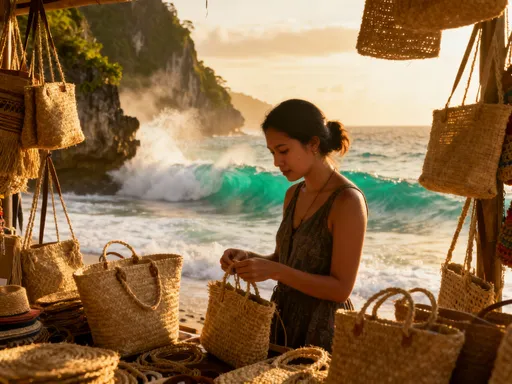
HLM Market, named after the Habitations à Loyer Modéré housing complex, has evolved into a hub for emerging artisans and independent creators. Unlike Sandaga’s commercial scale, HLM offers a more intimate experience, with younger designers selling upcycled accessories, beaded jewelry, and modern interpretations of traditional patterns. This market is ideal for discovering tanjigues—colorful reusable bags crafted from recycled plastic by women’s cooperatives. The craftsmanship is meticulous, and many vendors are happy to explain the production process. HLM is less crowded than Sandaga, making it easier to engage in conversation and examine details closely.
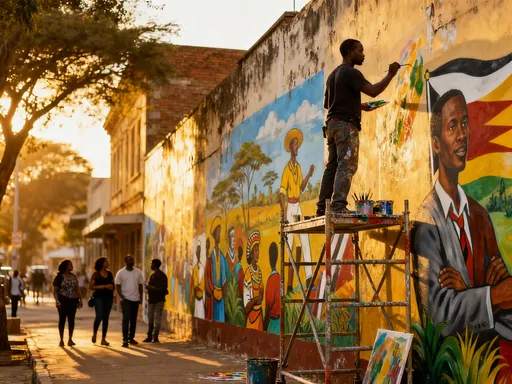
For a refined yet authentic experience, the Village des Arts stands apart. Nestled in a quiet neighborhood, this former artists’ residence has become a curated space for painters, sculptors, and textile artists. Wooden stalls display original artwork, hand-carved calebasses, and limited-edition prints. Unlike open-air markets, this venue emphasizes quality and provenance. Prices are higher, but so is the assurance of authenticity. Many artists work on-site, allowing visitors to watch a painting take shape or observe gourd etching techniques. The atmosphere is calm, with live music on weekends and opportunities to purchase directly from the maker.
Getting to these markets safely and efficiently is part of the experience. Sandaga and HLM are accessible by public bus or shared minibus (cars rapides), which offer an authentic slice of daily life. For the Village des Arts, a short taxi ride from central Dakar is recommended, especially during evening events. Ideal visiting hours vary: Sandaga is best at 8–10 a.m., HLM from 9–11 a.m., and the Village des Arts in late afternoon or early evening when artists are present. Regardless of destination, travel in small groups, keep valuables secure, and maintain a respectful demeanor. These markets are not performances for tourists—they are working spaces where commerce and culture intersect.
Senegal’s Signature Specialty Products You Shouldn’t Miss
Dakar’s specialty products offer a tactile journey through Senegalese heritage. Among the most iconic is the boubou, a flowing robe worn by men and women for formal and festive occasions. Made from high-quality cotton or silk, the finest boubous feature hand-embroidered details in gold or silver thread. Regional variations exist: Dakar styles tend to be more modern, with bold colors and geometric patterns, while rural influences favor subtler tones and symbolic motifs. When selecting a boubou, examine the stitching—tight, even embroidery indicates skilled craftsmanship. Lightweight versions make elegant wall hangings or decorative pieces, even if not worn.
Another must-see item is the tanjigue, a durable, colorful bag crafted from recycled plastic strips. Originating as a grassroots initiative to reduce waste, this craft has grown into a recognized art form. Women’s cooperatives in neighborhoods like Pikine and Yoff weave these bags on simple looms, creating intricate patterns inspired by traditional textiles. Each tanjigue is unique, with no two designs exactly alike. Beyond their beauty, they are practical—water-resistant, strong, and perfect for carrying groceries or travel essentials. Gifting a tanjigue supports environmental sustainability and women’s economic empowerment, adding deeper meaning to your purchase.
Decorated calebasses—dried and carved gourds—are another cultural treasure. Used historically for storage, serving, or as musical instruments, they now serve as artistic expressions. Artisans use heated metal tools to etch symbolic patterns into the surface, representing proverbs, family lineage, or spiritual protection. Some are painted with natural dyes in earthy reds, ochres, and blacks. When selecting a calebasse, look for smooth finishes, balanced proportions, and clear, deliberate carvings. Smaller ones make exquisite decorative pieces; larger ones can function as bowls or lamps with added wiring.
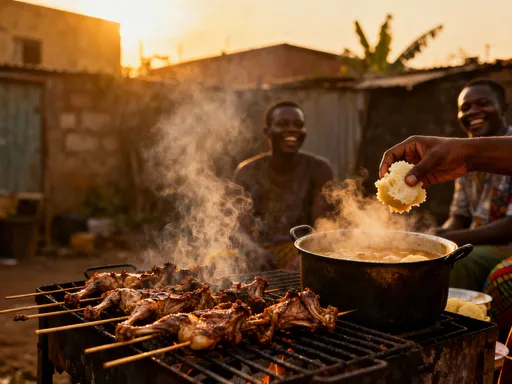
Edible specialties offer a different kind of keepsake. Dibi seasoning, a blend of garlic, thyme, paprika, and chili, is a staple in Senegalese grilling. Packed in small jars or cloth sachets, it brings the taste of Dakar street food into your kitchen. Equally memorable is thiakry, a sweet, fermented millet snack mixed with yogurt, dried fruit, and nutmeg. Sold in portioned containers at markets, it’s a refreshing treat that captures the balance of tangy and sweet central to Senegalese cuisine. While fresh thiakry doesn’t travel well, some vendors offer dry mix versions that can be reconstituted. These food items, when shared, become stories on a plate—inviting others into the world you’ve experienced.
Where to Find the Most Authentic Pieces (Beyond Tourist Zones)
While central markets offer convenience, the most authentic specialty products often lie beyond the usual tourist routes. In neighborhoods like Fann, Point E, and Ouakam, local artisans work in small studios and home-based workshops, producing goods for Senegalese families rather than export. These areas are not set up for foot traffic, but with guidance, they offer unparalleled access to genuine craftsmanship. A quiet street in Fann might house a tailor specializing in custom boubous, while a courtyard in Point E could conceal a collective of women weaving baskets from natural fibers.
Women’s cooperatives play a vital role in preserving traditional crafts and promoting economic independence. In villages on the outskirts of Dakar, groups like those in Rufisque and Thiaroye produce high-quality shea butter, hand-dyed fabrics, and woven table runners. These cooperatives often operate with support from local NGOs, ensuring fair wages and sustainable practices. Visiting one—either through organized tours or community referrals—allows you to see the production process firsthand, from hand-grinding shea nuts to natural dyeing with indigo and henna. Purchasing directly from these groups ensures more of your money reaches the makers.
Pop-up craft fairs and cultural events are another excellent source of authentic finds. Held in community centers, schools, or during festivals like the Dakar Biennale, these gatherings attract local buyers and discerning collectors. Unlike tourist markets, they emphasize originality and cultural integrity. You might discover a young artist experimenting with batik techniques or a sculptor using reclaimed wood to create modern interpretations of ancestral figures. Events are often advertised on community bulletin boards or through word of mouth, so asking your hotel staff or a local guide can yield valuable leads.
Reaching these offbeat locations is easier than it seems. Dakar’s cars rapides—shared minibuses—connect neighborhoods affordably and efficiently. While not always marked in English, a simple phrase like "Allez Fann?" with a friendly smile can get you pointed in the right direction. Alternatively, ride-sharing apps and local taxis provide direct access. The key is to approach these visits with humility and curiosity, not as a hunter of bargains but as a respectful guest. When artisans see genuine interest, they often open up, sharing stories behind their work that deepen the value of what you take home.
Smart Shopping: How to Spot Real vs. Mass-Produced Items
In a city where tradition and tourism intersect, distinguishing authentic handmade goods from mass-produced imitations is crucial. The first sign of authenticity is imperfection. Handmade textiles may have slight variations in stitching; hand-carved calebasses might show subtle asymmetry. These are not flaws but evidence of human touch. In contrast, machine-made items exhibit uniformity—identical patterns, perfectly aligned embroidery, or synthetic sheen. Natural materials like cotton, wool, gourds, and wood feel different to the touch—warmer, more textured—than plastic or polyester imitations.
Smell can also be a clue. Genuine leather, shea butter, or hand-dyed fabrics carry a natural, earthy scent. Synthetic versions often have a chemical odor, especially when new. Similarly, overly bright colors that don’t fade slightly at the edges may indicate artificial dyes rather than plant-based pigments. When examining a boubou or woven bag, rub a small area gently—if color transfers, it’s likely low-quality dye.
Price is an indicator, but not always reliable. Some skilled artisans charge fairly for their time and materials, while others in tourist zones inflate prices for foreigners. Conversely, items that seem too cheap—like a calebasse for a few dollars—are likely imported from elsewhere in Asia or North Africa. Ask questions: "Qui a fait cela?" (Who made this?), "C’est fait ici?" (Is this made here?), or "Avec quel matériel?" (With what material?). Vendors of authentic goods are usually proud to explain their process. If answers are vague or the seller redirects to a middleman, proceed with caution.
Provenance matters, especially for cultural artifacts. A painting should reflect Senegalese themes—daily life, landscapes, or symbolic motifs—not generic African stereotypes. Authentic calebasses often include regional patterns known to local experts. When in doubt, seek out galleries or cooperatives that certify origin. The goal is not just to own a beautiful object but to carry a piece of truth—a story rooted in place, people, and purpose.
Bringing It Home: Packing, Customs, and Sharing the Story
Once you’ve chosen your specialty items, getting them home safely requires planning. Fragile goods like calebasses, ceramics, or glassware need careful packing. Wrap each item in soft cloth or bubble wrap, then place them in a rigid box with cushioning material. If traveling with a boubou or textile, roll it rather than fold to minimize creasing. Many airlines allow one extra bag for handicrafts, but check policies in advance. For delicate pieces, consider shipping through a reputable local courier that specializes in art and crafts.
Food items require attention to customs regulations. While dried spices like dibi mix are generally permitted in most countries, fermented dairy products like thiakry are restricted due to agricultural import rules. Check your home country’s guidelines on bringing in animal products or perishable goods. When in doubt, opt for sealed, commercially packaged versions that list ingredients clearly. Some travelers photograph local food stalls and recreate dishes at home—this way, the memory remains, even if the item doesn’t cross borders.
Perhaps the most rewarding part of collecting Dakar’s specialties is sharing their stories. A tanjigue isn’t just a bag—it’s a symbol of innovation and resilience. A hand-carved calebasse carries ancestral patterns and artistic pride. When you explain the origin of your purchases to friends or family, you extend the cultural exchange beyond your journey. Display items with a small card noting the artisan’s name or community, if known. This transforms souvenirs from mere objects into meaningful heirlooms.
Ultimately, mindful collecting is about intention. It’s choosing quality over quantity, story over spectacle, connection over consumption. The most valuable item you bring home may not be the largest or most expensive, but the one that resonates—because of the conversation it sparked, the hands that made it, or the moment it was discovered. In Dakar, every purchase can be a quiet act of appreciation, a thread linking you to a vibrant culture that welcomes with warmth and creativity.
Collecting specialty products in Dakar is more than shopping—it’s connecting. Each piece carries heritage, heart, and the spirit of Senegal. With these tips, you’re not just a visitor; you become part of a deeper exchange. So go slow, choose wisely, and let Dakar leave its mark—through the things you bring home.